Plans to build an anaerobic digestion plant to convert animal waste into fertiliser are unlikely to have a significant impact on the environment, a council has ruled.
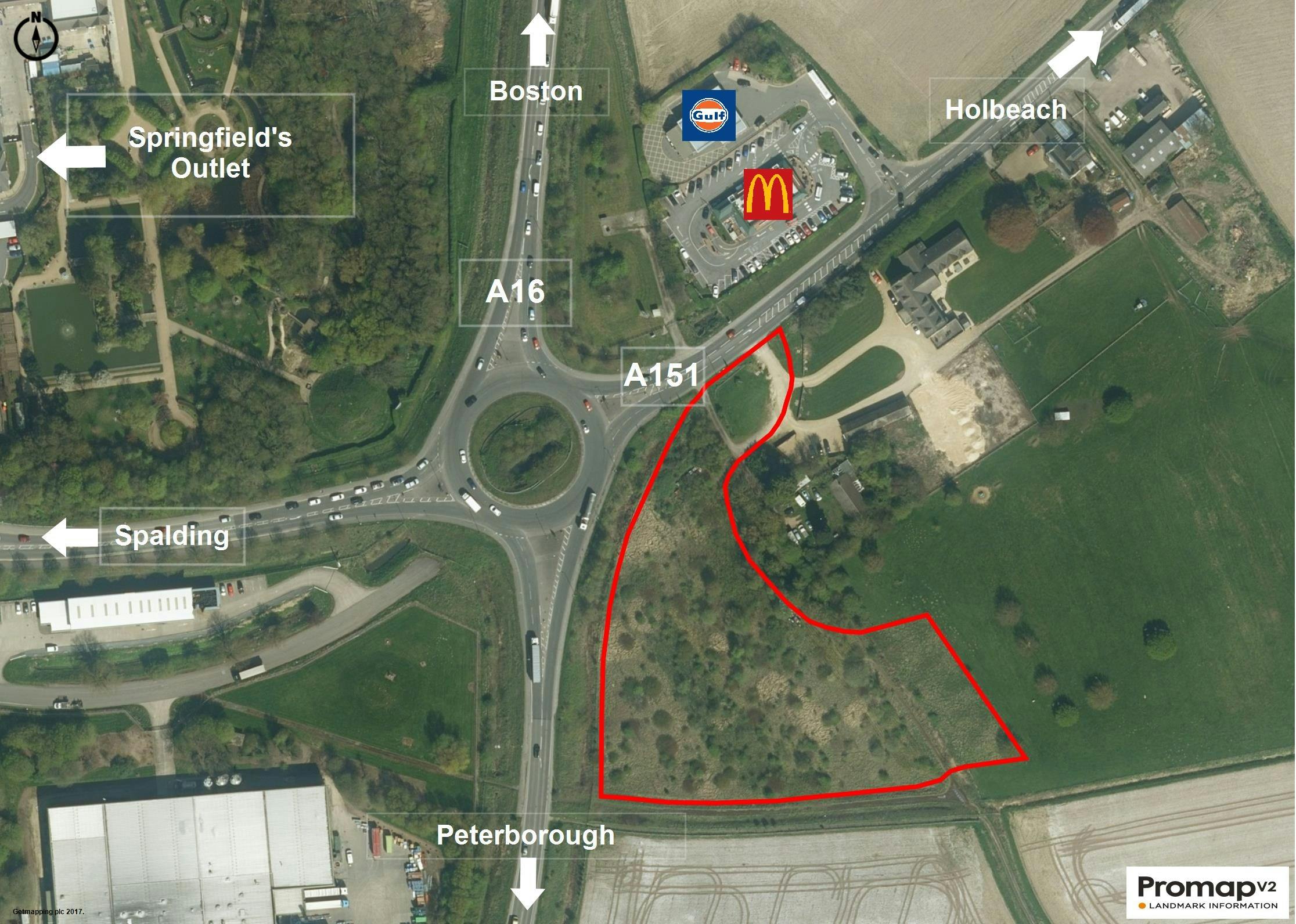
Lincolnshire Council County said it has been asked to assess the likely environmental impacts of the proposed anaerobic digestion plant, associated infrastructure, lagoons and feedstock clamp at Grange Farm, Tongue End.
The development could process around 39,500 tonnes per year – made up of 23,000 tonnes of straw and 16,500 tonnes of chicken manure – to generate fuel.
The site is expected to produce up to 1,200 KW of electricity per year.
The biomethane digestate, which is produced from the plant, would be used as a fertiliser and the CO2 recovered from the digestate would be liquidised and used by the food and beverage industry.
The county council carried out an Environmental Impact Assessment (EIA) on the proposed development and ruled that the plans were unlikely to have an “adverse impact” on the environment.
But it said that it requires more information from the applicant on what measures it will be put in place to mitigate possible negative impacts on burning gas at the plant and likely increased pressure on the local waste collection service.
The county council stated: “At a maximum of approximately 1200kw the electrical power output of this plant is considerably less than the 50mW referenced and would be used to power the site.
“Anaerobic digestion plants of this type, and which produce electricity are now well established in the UK and so are not a novel form of generation.
“As a result, this proposal does not meet the criteria for which this type of development may be considered likely to give rise to significant effects.”
The county council also said the emissions released from the plant would have a “less than ‘significant adverse impact’” on the surrounding area.
It added: “In terms of operational impacts, the anaerobic digestion process itself is a closed system and all incoming feedstocks, waste handling and storage of final digestate would take place within enclosed buildings, tanks and/or lagoons which would be fitted with odour control systems.
“The enclosed nature of the process should help to minimise potential emissions such as noise and odour.”
The county council’s transport team also assessed the possible impacts on the roads in the area. It found that an average of 22 lorries were likely to enter and exit the development each day.
Four members of staff would be employed at the site, working between the hours of 7am and 7pm.
“The Transport Statement concludes that both the HGV and Light Vehicle movements would be considered as having a negligible impact upon the local highway network.”